









An estimated 7.4 million Americans are living with Alzheimer's, according to the Alzheimer's Association's 2026 Facts and Figures report, a number projected to reach nearly 13 million by 2050. Meaningful activity is central to wellbeing at every stage of the condition, helping to reduce agitation, maintain connection, and provide moments of joy.
This guide covers fidget toys, creative activities, games, and jigsaws for adults with dementia, with stage-by-stage guidance to help caregivers choose with confidence.
The Best Toys for Adults With Dementia at a Glance
- Who this is for: Family caregivers and loved ones of people living with dementia in the US, and memory care activity coordinators looking for structured activity ideas.
- What's covered: Eight products, grouped by dementia stage, including six from Relish.
- How to choose: Stage guides the choice. The table below sorts each product by recommended dementia stage, so caregivers can match a product to where someone is in their journey.
|
Stage |
Product |
Type |
Price |
|---|---|---|---|
|
Early to mid |
Puzzle |
$24.99 each |
|
|
Early to mid |
Puzzle |
From $18.00 |
|
|
Mid |
Creative activity |
$24.99 per pack |
|
|
Mid |
Game |
$29.99 |
|
|
Mid to late |
Game |
$29.99 |
|
|
Mid to late |
Sensory fidget |
$29.99 |
|
|
Mid to late |
Fidget |
$79.99 |
|
|
Late |
Sensory fidget |
From $55.00 |
What To Look For in a Dementia Toy
Good toys for people with dementia work through the senses, match the person's current stage, and feel safe and familiar.
Here are the things to check for when looking for dementia toys:
-
Stage match: A toy suited to the early stage is often too demanding for the mid-to-late or late stage. Look for products that carry a clear stage recommendation rather than a generic "for dementia" label.
-
Sensory quality: Toys that work through touch, sight, or sound provide stimulation without relying on memory or language. Soft textures, contrasting colors, and repetitive motion all support engagement when other abilities change.
-
Safety and durability: Avoid small loose parts, sharp edges, and materials that are difficult to clean. Non-toxic materials tested to recognized safety standards matter, particularly for memory care use.
-
Personal interest and familiarity: A toy connected to lifelong interests, such as gardening, crafts, or puzzles, is more likely to hold attention and prompt positive memories than a generic product.
For a full range of products organized by stage, the Relish mid-to-late-stage activities page is a useful starting point.
Early to Mid Stage Dementia Toys
At the early to mid stage, problem-solving and spatial skills are still available. The person can follow a simple goal, work toward a defined outcome, and feel genuine satisfaction on completion.
Puzzles are often the natural fit: they have a clear end state, can be done alone or alongside others, and scale down easily as ability changes. The key is choosing a piece count that delivers a sense of achievement without frustration.
Dementia Jigsaw Puzzles

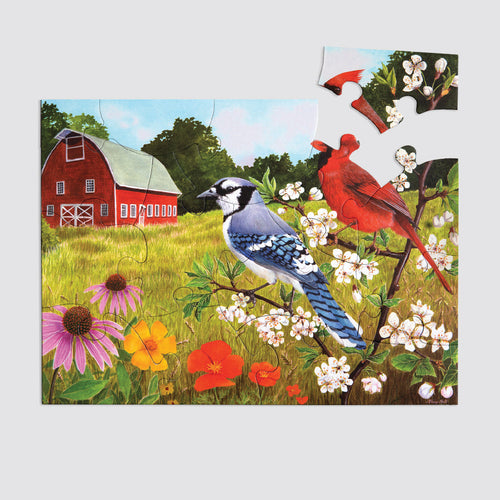
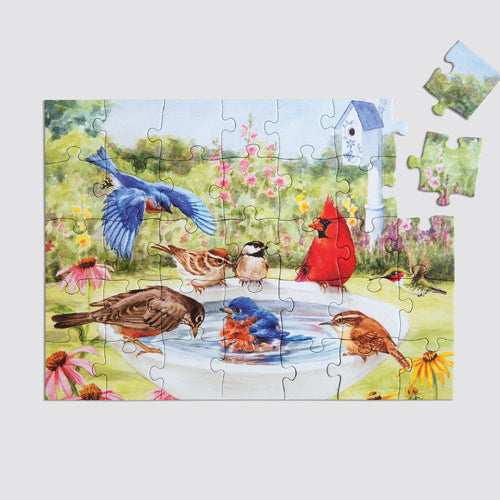
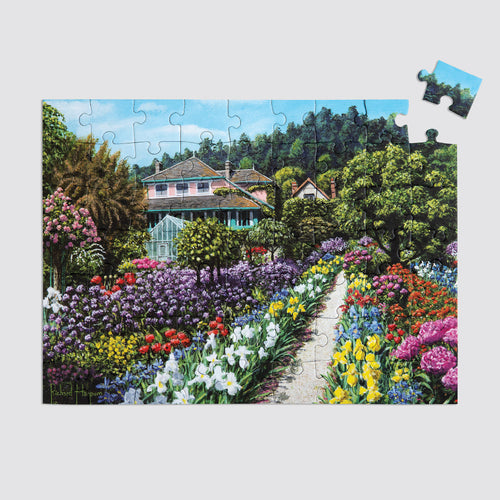
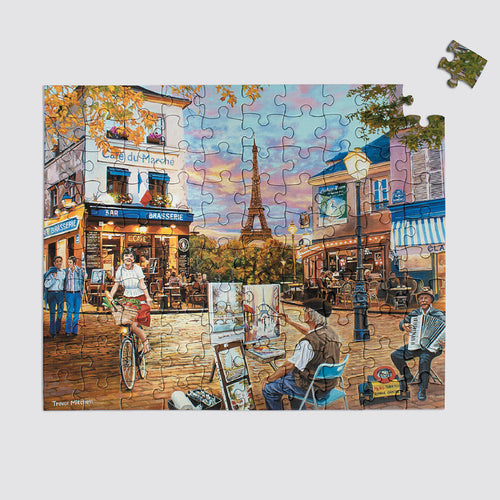
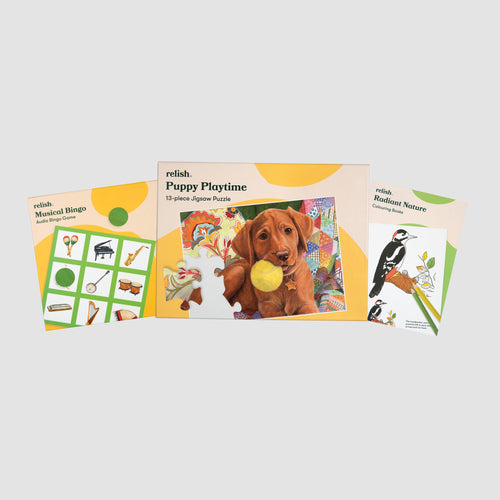
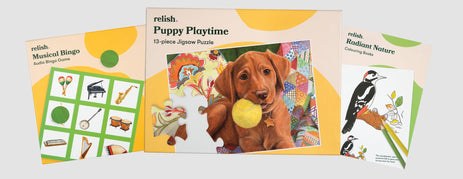
Relish's specially designed jigsaw puzzles suit people at the early to mid stages of dementia, with piece counts spanning 13 pieces (mid stages), 35 pieces (early to mid stages), and 63 or 100 pieces (early stage). All feature high-contrast, familiar subjects and pieces measuring about 1.8 inches wide in the 13-piece range.
Completing a puzzle, however short, gives a tangible sense of achievement and progress.
Best features
-
Subject matter tends to prompt conversation and spark memories.
-
Pieces are large enough to handle comfortably for people who find fine motor tasks more effortful.
-
Works well independently or as a shared activity between the person and a caregiver or family member.
-
The 13-piece format delivers a genuine sense of completion without taking too long or becoming frustrating.
Best for: early to mid stages
-
People in the early to mid stages of dementia who retain an interest in structured tasks and problem-solving.
-
Works particularly well for people who loved jigsaws earlier in life but had given up due to frustration with standard puzzles. The reduced piece counts bring that pleasure back.
-
Having two or three different piece counts on hand suits people whose capability varies day to day.
-
Also works well in memory care communities as a group activity, particularly when caregivers participate rather than observe.
Worth knowing
-
A frequently praised design feature: you can assemble the puzzle directly inside the box while the completed image on the lid serves as a reference. No separate table needed.
-
Piece count is a practical guide, not a rigid rule. Someone in the early stage may still enjoy a 13-piece puzzle; someone in the mid stage may be ready for 35 pieces.
-
As the condition progresses toward mid-to-late stage, the Track Marble Maze or fidget-based activities will be a better fit.
Buy Relish's jigsaw puzzles on the Relish store for $24.99 each
Wentworth Wooden Puzzles

Wentworth Wooden Puzzles makes its large-piece range with people with reduced dexterity and dementia in mind. Puzzles are laser-cut from 4mm sustainably sourced wood, with pieces that are substantial and satisfying to handle in a way cardboard alternatives are not. The large-piece range starts at around 40 pieces and spans most of their image catalog.
What distinguishes Wentworth from other wooden puzzle brands is the whimsy pieces: uniquely shaped pieces cut to match the image's theme, which add an element of surprise and tactile interest. The wooden format holds up to repeated use, which makes it practical as well as enjoyable.
Best features
-
4mm wooden pieces, more substantial and easier to handle than standard cardboard, particularly for people with dexterity difficulties.
-
Whimsy-shaped pieces that add tactile interest and make each puzzle more memorable.
-
Large-piece range starting at around 40 pieces, giving a wooden alternative alongside Relish's cardboard puzzles.
Best for: early to mid
-
People who want a specialist puzzle option with real wooden pieces, from a long-established puzzle maker with a dedicated US store.
-
Mentally sharp seniors and people in the earlier stages who enjoy the feel of quality materials and appreciate craftsmanship.
-
Buyers who want a format Relish does not carry, such as a wooden puzzle or a puzzle gift set.
Worth knowing
-
Wentworth does not use Relish's explicit mid/early-to-mid/early stage labeling on its puzzles. Caregivers need to judge the piece count themselves rather than relying on a stage guide.
-
Wentworth's large-piece minimum sits higher than Relish's smallest sizes, so it is not a fit for someone who needs a very low piece count.
Buy Wentworth's large-piece puzzles on the Wentworth store from $18.00
Best Toys for Mid Stages of Dementia
Activities that are self-directed work best at the mid stage of dementia: no technique required, no decisions to make, no way to get it wrong. The caregiver's role shifts from instruction to companionship.
By this stage, cognition is changing, but fine motor skills remain largely intact. The person may struggle with rules, instructions, or multi-step tasks.
Aquapaint

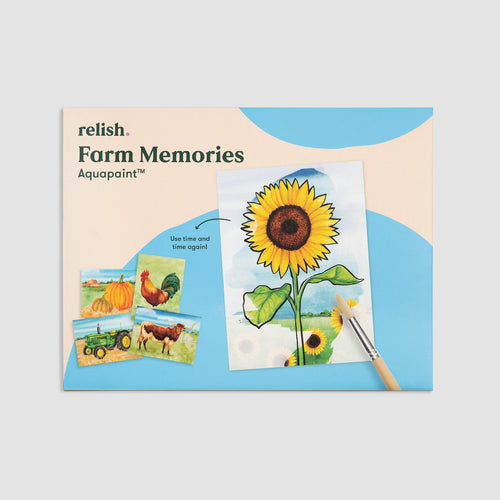
Aquapaint sets from Relish are reusable art sheets that reveal a pre-printed image when you brush them with plain water. No paints, no mess, no artistic skill needed: the image appears by itself. Each pack contains five sheets, each reusable after drying.
Each sheet fades back to white in around 15 to 20 minutes, resetting for another session. Relish offers multiple themes, including garden scenes, ocean life, and classic vehicles, letting caregivers choose a subject connected to the person's interests.
Best features
-
Genuinely self-directed: brushing water across the sheet brings an image gradually to life.
-
No instruction is needed beyond a brief demonstration.
-
Packaging carries no mention of dementia or memory loss.
Best for: mid stage
-
People in the mid stages of dementia who retain enough fine motor control to hold a paintbrush.
-
Works well in group sessions in memory care communities, where multiple sheets can be laid out at once.
-
The activity frequently prompts reminiscing. Caregivers report it starting conversations about past interests in art or gardening, particularly when familiar subjects are chosen.
-
Works well as an intergenerational activity, with grandchildren and the person completing sheets together.
Worth knowing
No paintbrush is included, which is the most common complaint among buyers. So budget for a suitable brush separately; Relish recommends one with about 1cm bristles and a 1.5cm handle for easier grip.
Buy Relish's Aquapaint on the Relish store for $24.99 per pack
Mid to Late Stage Dementia Toys
At the mid-to-late stage, structured activities with rules or goals become harder to follow. Activities need to work through movement and sensation rather than cognition. Both products in this section require physical engagement but no instructions and no completion state: there is no right answer, no failure, and no need to follow steps.
Track Marble Maze
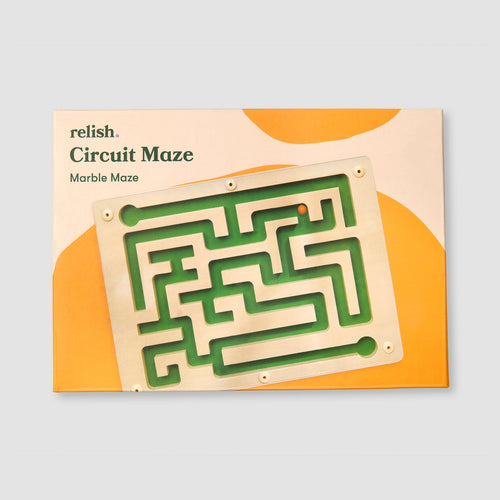
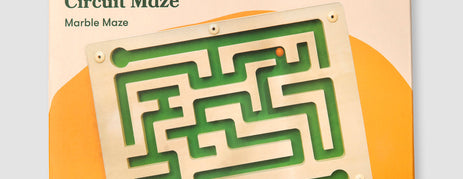
 The Track Marble Maze is a handheld wooden maze game from Relish, designed for people in the mid to late stage of dementia. The goal is to guide a marble around the track by tilting the board with both hands.
The maze offers a contained, self-paced challenge. There is no time pressure and no competitive element: the focus is on the movement and the satisfaction of guiding the marble, rather than completing a course from start to finish. People who find rule-based games confusing will find it straightforward.
Best features
-
Challenges coordination and hand control, working both hands at once.
-
Marble sits behind a fixed clear perspex screen and cannot fall out.
-
High color contrast aids people with visual impairments; a lightweight build makes it easy to hold and maneuver.
-
Compact enough to use at a table, in an armchair, or in a memory care activity room.
Best for: mid to late stage
Suits people who need an activity they can pick up and put down throughout the day rather than something requiring sustained attention.
Works well as a solo activity or with a caregiver joining in, guiding gently without taking over.
Worth knowing
-
Requires physical coordination to tilt and steer; at a late stage, simpler sensory options will be a better fit.
-
Relish also makes a Circuit Marble Maze, designed for the early to mid stage; check the Relish site for current stock status before purchasing.
Buy the Track Marble Maze on the Relish store for $29.99
Tactile Turn
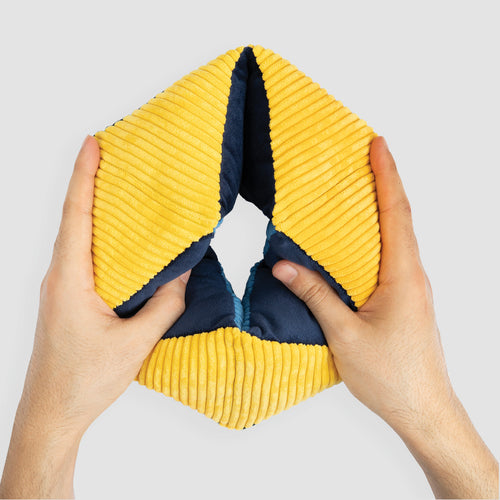
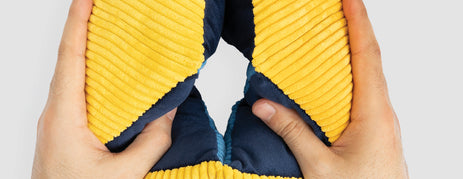
 The Tactile Turn is a soft, segmented sensory fidget toy from Relish, recommended for people in the mid to late stages of dementia.
Unlike wooden fidget tools, the Tactile Turn uses soft, flexible material with contrasting textures and colors across its segments. Picking it up prompts immediate exploration: flipping, squeezing, or bending it in any direction. There is no right or wrong way to use it, which matters at the mid-to-late stage when following instructions becomes more difficult.
Best features
-
Soft, multi-textured surface (ribbed and velvet sections) that invites handling without any instruction.
-
No setup or demonstration needed; most people pick it up and start using it independently.
-
Machine washable on a delicate cycle (hand wash recommended for regular use), which makes it practical for memory care use.
-
Packaging carries no mention of memory loss, aging, or dementia, making it a considerate gift choice.
Best for: mid to late stages
-
People in the mid-to-late stages of dementia who experience restless hands or general agitation.
-
Works well alongside conversation or during quieter moments.
-
Also practical for late stages, when simpler, softer objects are easier to use than structured games.
Worth knowing
-
A sensory item, not a game. There is no challenge, score, or completion.
-
Does not suit everyone; some people show no interest. A gentle demonstration helps, but do not force it.
-
For people at earlier stages still looking for cognitive engagement, a puzzle or marble maze will provide more stimulus.
-
Currently comes in one color combination only.
Buy the Tactile Turn on the Relish store for $29.99
Best Toys for Late-Stage Dementia
During later stages, the priority shifts from engagement to comfort and occupation. Restless hands need something to do; an agitated mind needs something to settle it. All three options in this section work through repetitive motion and touch, with no instructions, no completion states, and no failure mode.
Fidget Widget Tool Kit

The Fidget Widget Tool Kit is a set of five wooden fidget tools developed in collaboration with the UK's Alzheimer's Society and the University of Central Lancashire, recommended for mid to late and late stages of dementia.
Each widget in the kit has a distinct motion: twisting, sliding, rolling, turning, and spinning. The variety lets the person find the tool that suits them best. All five are smooth wood with a comfortable weight, built for repeated daily use in a home or memory care setting.
Best features
-
Eight years of research and development, carried out with people living with dementia, sit behind the kit.
-
Unfold-and-lay-out format: place the widgets on a table, and let the person choose.
-
Each widget's motion is genuinely different from the others, reducing monotony across repeated sessions.
-
Relish built it to meet a specific, underserved need: people with fidgeting behaviors at the later stages of dementia.
Best for: mid to late stages
-
People in the mid-to-late and late stages who fidget, pick at clothing, or find it difficult to settle.
-
Works well for one-to-one and small group sessions in memory care communities.
-
Suits caregivers supporting someone at home who needs calmer, hands-on activity during the day.
-
The wooden design suits people who find softer fidget items less appealing.
Worth knowing
-
The price point is frequently raised in caregiver communities. Buying the twin pack first is worth trying before committing to the full kit.
-
The kit was tested in real homes and care settings before going on sale, not just in a lab. The results confirmed it works across a range of environments and care situations.
Buy the Fidget Widget Tool Kit on the Relish store for $79.99
Twiddle Muffs

Twiddle Muffs are knitted or fabric hand muffs with a variety of tactile attachments: buttons, zippers, ribbons, beads, and soft patches. They keep hands warm and occupied at the same time. Unlike wooden fidget tools, they are worn rather than held, which makes them accessible for people with limited grip or who simply prefer softer materials.
Best for: mid to late stages
-
People at the mid-to-late and late stages who experience restless hands but find wooden or rigid fidget tools unappealing.
-
People who disliked the Fidget Widget or Tactile Turn on trial: the soft, fabric format often suits those who did not respond to harder materials.
-
Memory care residents who spend long periods in a chair benefit from the hand-warming element as well as the sensory stimulation.
Worth knowing
-
No single dominant brand nationwide. Available from Alzstore, which carries the original Twiddle brand in Sport, Cat, and Pup designs, and from handmade sellers on Etsy. Price and quality vary.
-
Some designs include small loose parts such as buttons that could pose a choking risk for people at a very late stage. Check the design before buying.
-
Free knitting and crochet patterns are widely available online (search Ravelry or Knit for Peace) if a family member or volunteer wants to make one.
Buy a Twiddle Muff on Alzstore for $55.00
Soft Toys and Comfort Companions for People With Dementia
Soft toys and comfort companions are a distinct category that becomes more relevant at the mid-to-late and late stages of dementia. At these stages, the soothing weight and familiar texture of a soft toy can provide genuine comfort and reduce agitation, particularly during distressing moments or periods of confusion.
For US families and caregivers, Joy For All Companion Pets from Ageless Innovation are a recommended starting point: realistic robotic cats and dogs designed specifically with older adults and dementia in mind, starting at $159.99. Alzstore also carries companion pet options if you want to compare a specialist dementia retailer's range.
Robotic companion pets have been shown to reduce agitation in people with dementia across multiple controlled trials, though not everyone living with dementia will respond to them in the same way.
Personal history matters: someone who dislikes animals or finds robotic movement unsettling is unlikely to benefit. A soft toy connected to a familiar type of animal or object may be a gentler starting point than a robotic pet.
Frequently Asked Questions
Can someone with dementia use these toys independently?
Several products in this guide work independently. The Tactile Turn, Aquapaint, and Twiddle Muffs all require no instructions or guidance: most people pick them up and begin independently.
The Fidget Widget Tool Kit works best when a caregiver lays the widgets out on a table first, but the person chooses and uses each widget on their own terms. At the later stages, a brief demonstration is often all it takes.
What's a good gift for a person with dementia?
The best gifts for people with dementia are practical, sensory, and matched to the person's current stage. At early to mid stages, puzzles and creative activities like Aquapaint make thoughtful choices.
At mid-to-late and late stages, fidget toys and sensory comfort items tend to be more appropriate. Stage labels on Relish products make it straightforward to choose.
Are there toys designed specifically for later-stage dementia?
There is a good range of toys that are made to target the later stages of dementia. The Fidget Widget Tool Kit, Tactile Turn, and Twiddle Muffs all suit mid-to-late and late stages.
They occupy hands and help calm restless minds rather than challenge cognition, making them appropriate when games and puzzles are no longer accessible. The Relish sensory and fidget toy collection is designed for late stages of dementia.
The Right Dementia Toy for Your Loved One
Choosing a toy for someone with dementia works best when the decision starts with the person rather than the product. Knowing their stage provides a practical framework, but everyone's personality, past interests, and what they find comforting should shape your choice.
The products in this guide span the early stage to late stage, with a variety of themes to pick from. A former gardener may take to a nature-themed Aquapaint set; someone who worked with their hands may respond immediately to a fidget tool.
For a full range of dementia toys, sorted by stage and type, browse all of Relish's dementia toys.


