


 Based on 1500+ happy reviews


Dementia-Friendly Activities: A Practical Guide for Carers and Loved Ones
Caring for someone with dementia is not always easy, but the right activities can make a real difference. NICE guidelines recommend personalised activities to promote engagement, pleasure and wellbeing for people living with dementia. The key to choosing activities for people with dementia is matching what they enjoy with what they can comfortably do now, and focusing on the experience rather than the result.
This guide covers practical activities for people with dementia across eight categories, with tips for adapting each one as needs change.
Quick suggestions for dementia-friendly activities
-
Try arts and crafts such as painting, colouring and bead-making to help people with dementia express themselves and stay focused.
-
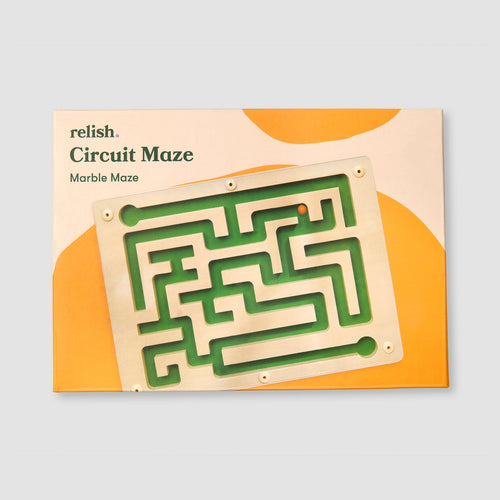
Choose puzzles with bright images and the right piece count for light cognitive stimulation and a real sense of achievement.
-
Play personally meaningful songs to unlock memories and lift mood at every stage of dementia.
-
Get outside with walking and gardening to connect with nature and the seasons.
-
Use photos, stories and familiar objects to spark conversation through reminiscence.
-
Explore sensory activities such as hand massage and textured objects for calm, especially in later stages.
-
Encourage gentle physical movement to support balance, mood and sleep.
-
Bring people together with group activities like singing sessions and picture bingo for togetherness and fun.
Crafts and Creative Activities

Arts and crafts give people with dementia a way to express themselves, stay focused and feel genuinely proud of what they create. If you enjoy being creative, there is no reason to stop. The process matters more than the finished piece, and there is no right or wrong outcome.
Simple starting points include:
-
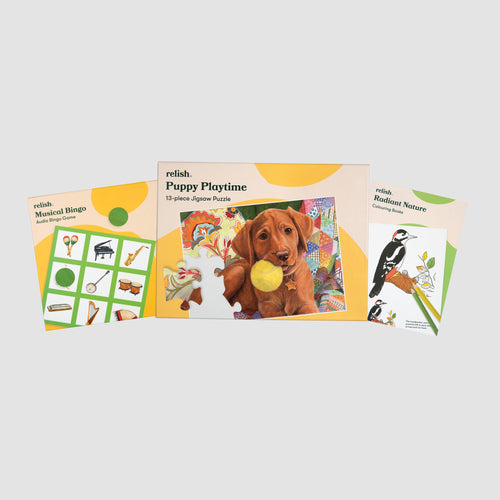
Painting and colouring. Watercolour sets, colouring books with bold outlines, or painting by numbers all offer structure without pressure.
-
Bead-making and threading. Stringing large wooden beads onto cord is satisfying and works fine motor skills. Choose beads with bright colours and varied textures.
-
Collage and scrapbooking. Cutting and sticking images from magazines or old photographs is a relaxed creative activity that often leads to conversation.
-
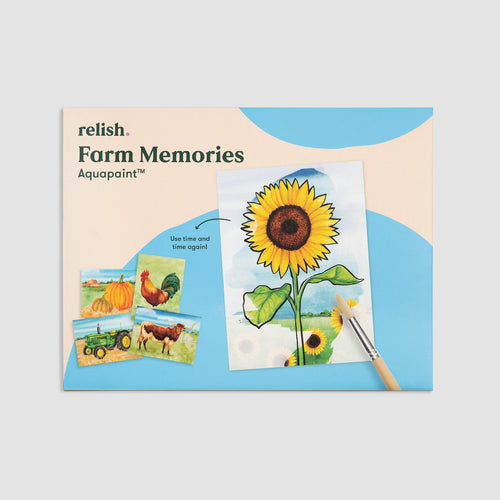
Structured craft kits. For people who find freeform creativity frustrating, purpose-designed kits offer step-by-step structure. Relish's arts and crafts range includes options like the magnetic picture board and painting kits designed specifically for people living with dementia.
Try a painting activity, or browse our free arts and crafts activities.
Adapting by stage: In the early stages, most people can still manage freeform painting or familiar hobbies like knitting. As dementia progresses, structured kits with fewer steps and larger pieces become more manageable and still feel rewarding.
Puzzles and Games

Puzzles and games for people with dementia provide light mental stimulation and the satisfaction of completing a challenge. They also create natural opportunities to spend time together.
Good options to try:
-
Jigsaw puzzles. Choose puzzles with bright, high-contrast images and a piece count that matches current ability. Relish's jigsaw puzzle range runs from 13 pieces for later stages through to 100 pieces for early stages, all with large, easy-to-handle pieces.
-
Word games. Simplified word searches and word association games exercise language skills without pressure.
-
Card games. Familiar memory games like snap, pairs or simple picture-matching are easy to pick up. The rules are straightforward and the repetition is reassuring.
-
Board games. Look for games designed around conversation and storytelling rather than complex strategy. Games that draw on long-term memory tend to be more enjoyable than those that test short-term recall.
Try a free card game activity, or browse more free puzzles and quizzes.
Adapting by stage: In the early stages, 63 to 100 piece jigsaws and classic card games are a good fit. In the middle stages, reduce piece counts to 13 to 35 and choose picture-matching over word-based games. In later stages, simple sorting or colour-matching activities can still be absorbing.
Music and Singing

Music is one of the most powerful ways to connect with someone living with dementia, and it works across all stages. According to the Alzheimer's Society, music can improve mood, reduce anxiety and support communication for people living with dementia, even when other forms of interaction become difficult.
You may hear this described as music therapy, but you do not need a trained therapist to use music at home. Simply playing familiar songs can make a difference.
Ways to bring music into the day:
-
Personal playlists. Build a playlist of songs that mean something to the person: wedding songs, favourites from their teenage years, hymns they grew up with. Personally meaningful music has a stronger emotional effect than generic background music.
-
Singing together. You do not need to be a good singer. Singing along to well-known songs is a shared experience that often brings joy.
-
Simple instruments. Shakers, tambourines and hand drums let people join in physically. The ability to respond to music is often preserved even when verbal communication is not, so playing along can remain rewarding well into the later stages.
Try a free singing activity, or browse more free music activities.
The Relish Radio and Music Player is designed for independent use, with bold, high-contrast buttons, preset station memory and a volume dial that never reaches zero. A USB port lets you load a personal playlist of meaningful songs. If you are living with dementia, the Radio lets you choose and play your own music without needing to ask for help.
For more on personal music, visit Playlist for Life.
Outdoor Activities and Nature

Spending time outdoors gives people with dementia fresh air, gentle exercise and rich sensory experiences that are hard to replicate indoors. A change of scenery can lift mood and reduce restlessness.
Ideas to try:
-
Walking. A short walk around the garden, a local park or a familiar neighbourhood is one of the simplest and most effective activities. Keep it relaxed with no fixed destination.
-
Gardening. Planting seeds, watering pots, deadheading flowers or handling soil engages the senses and gives a feeling of purpose. Raised beds and containers make this accessible for people with limited mobility.
-
Nature watching. Bird feeders and window boxes create quiet points of interest. Watching birds can hold attention and bring back memories of gardens past.
-
Picnics. Taking a drink and a snack outside turns a small moment into an occasion. Fresh air and a change of setting often encourage conversation.
Try a free outdoor walking activity, or browse more free garden activities.
In later stages, a sensory garden visit or simply sitting outside in warm weather is enough. Earlier on, active gardening and longer walks are good ways to combine exercise with time outdoors.
Reminiscence and Memory Activities

Reminiscence activities use familiar objects, photos and stories to help people with dementia connect with their past and feel like themselves. This is not clinical therapy. It is simply a way of having meaningful conversations grounded in things the person knows and loves.
Practical ways to do this:
-
Photo albums and slideshows. Looking through old family photos together is one of the most natural reminiscence activities. Let the person lead; there is no need to correct details.
-
Memory boxes. Fill a box with objects that have personal meaning: a favourite scarf, postcards, a tool from a former job. Handling familiar objects can prompt stories and feelings that words alone might not reach.
-
Conversation prompts. Ask open questions about favourite holidays, school days or first jobs. "Tell me about..." tends to open up more than "Do you remember...?"
-
Familiar music and sounds. Songs from a particular era or theme tunes from favourite programmes can trigger vivid memories.
Try a free conversation starter activity, or browse more free reminiscence activities.
A digital photo frame that rotates family photos throughout the day supports ongoing reminiscence. The Relish Digital Photo Frame can be updated remotely so your loved one always sees familiar, warm faces.
Adapting by stage: In the early stages, reminiscence can be conversation-led and detailed. As dementia progresses, shift towards sensory triggers: handling objects, listening to music, or looking at photos with simple, warm comments rather than questions.
Sensory Activities

Sensory activities use touch, smell, sound and sight to calm and engage people living with dementia. When verbal communication becomes difficult, the senses remain a direct route to comfort and warmth. These activities suit all stages but become particularly valuable later on, when other activities may feel too complex. Focusing on one or two senses at a time helps avoid overstimulation.
Ideas to explore:
-
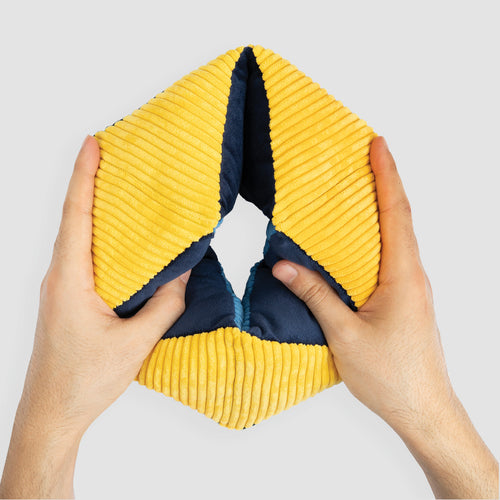
Tactile objects. Soft fabrics, textured balls, fidget toys and items with varied surfaces give the hands something purposeful to do. Relish's sensory and fidget toys are designed for adults and include options for settling restless hands.
-
Familiar scents. Lavender, fresh herbs, baking smells or a familiar perfume can be powerfully calming and evocative.
-
Hand massage. A gentle massage with scented lotion is simple, soothing and creates a quiet, shared moment.
-
Water play. Warm water in a bowl with floating objects can hold attention and provide peaceful sensory input.
Try a free touch and texture activity, or browse more free sensory activities.
For more detail, read our dedicated sensory activities guide for people with dementia.
Physical Activities and Movement

Regular physical activity helps people with dementia maintain mobility, improve sleep and lift their mood. It does not need to be structured exercise. Any movement that feels good counts.
Simple ways to keep moving:
-
Walking. Even a short daily walk supports physical health and provides sensory stimulation. Walking with someone is also a natural way to have a conversation.
-
Seated exercises. Chair-based stretching, arm raises and marching on the spot are safe for people with limited mobility. Following along to music makes it more fun.
-
Dancing. Put on a favourite song and move to it, standing or seated. Dancing is one of the most joyful forms of exercise.
-
Balloon games. Batting a balloon back and forth is surprisingly absorbing, works coordination, and is easy enough for most ability levels.
Try a free chair dancing activity, or browse more free movement activities.
The NHS recommends regular physical activity for people living with dementia, including walking, swimming and chair-based exercises.
In later stages, seated movement and hand-over-hand stretching keep the body active without strain. Earlier on, walking, dancing and exercise classes are all good options.
Social and Group Activities

Spending time with other people gives people living with dementia a sense of belonging, purpose and fun that solo activities cannot always provide. Being in a group, sharing a laugh over bingo or singing along to a familiar song, lifts the mood in a way that is hard to replicate on your own.
Activities that suit groups:
-
Singing groups. Group singing is social, joyful and accessible at most stages of dementia. Many communities run dementia-friendly singing sessions.
-
Bingo and group games. Picture bingo, musical bingo and quiz games with visual prompts suit mixed-ability groups well.
-
Group crafts. Shared craft sessions give everyone a role and something to show for the time spent together.
-
Shared meals. Preparing simple food together, or just eating together, creates warmth and familiarity. The sensory experience of food is a powerful way to bring people closer.
-
Games afternoons. Card games, dominoes and board games in a group setting encourage interaction and friendly competition.
Try a free group singing activity, or browse more free games activities.
For more ideas tailored to professional settings, see our full guide to activities for care homes.
The beauty of group activities is that people can join in at whatever level suits them. Someone in the later stages may not follow the rules of a game, but they can still enjoy the laughter, the company and the feeling of being included.
Tips for Planning a Dementia-Friendly Activity
Choosing the right activity is easier when you start with the person rather than the activity. Think about what they have always enjoyed, what they can comfortably do now, and what kind of mood they are in today.
-
Starting simple helps. It is easier to add complexity than to simplify mid-way through. Begin with a shorter version and see how it goes.
-
Watching for cues matters. Signs of enjoyment or frustration help you adjust as you go. If something is not working, it is fine to stop or switch.
-
Letting mistakes go keeps things light. If someone puts a puzzle piece in the wrong place or sings the wrong words, it really does not matter. The experience is what counts.
-
The process is the point. Finishing is a bonus. Enjoyment along the way is what you are both there for.
-
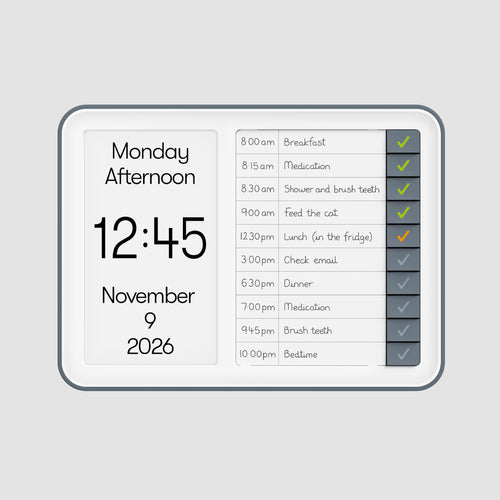
Routine helps. A short activity at the same time each day can become something to look forward to. The Relish Day Hub can help structure daily routines with visual and audio reminders.
-
15 to 30 minutes is often enough. Better to finish on a high than to push too long.
Frequently Asked Questions about Dementia-Friendly Activities
How do you keep someone with dementia happy?
Focus on what brings them comfort: familiar music, time with loved ones, activities that match their abilities, and a calm, predictable routine. Small moments of joy matter more than big events.
What activities are good for early onset dementia?
If you have been diagnosed with early onset dementia, you can likely still enjoy the hobbies you have always loved with minor adjustments. Puzzles, painting, gardening, walking, card games and music are all good starting points.
What is the best leisure activity for someone with dementia?
There is no single best activity for people with dementia because it depends on the person. Music is consistently effective across all stages, and activities that combine social time with light stimulation tend to have the broadest benefit.
What activities can you do one to one with someone with dementia?
Looking through old photos, listening to music together, doing a jigsaw puzzle, going for a walk, or simply having a cup of tea and a chat. The key is being present and unhurried.
Find Dementia-Friendly Activities That Bring Joy
Every person's experience of dementia is different, and what works today may change over time. The most important thing is to keep trying different dementia-friendly activities, stay flexible, and remember that your time and attention are the most valuable things you can offer.
Explore our full range of dementia-friendly products designed to support wellbeing and independence at every stage, or browse our library of 100+ free dementia activities for ideas you can try today. If you are not sure where to start, take our Find Your Stage quiz to choose products that match your loved one's current abilities.


