




Cerca de un millón de personas viven hoy con demencia en el Reino Unido, según la Sociedad de Alzheimer, y se prevé que el número llegue a 1,4 millones para 2040. La actividad significativa es fundamental para el bienestar en cada etapa de la enfermedad, ayudando a reducir la agitación, mantener la conexión y proporcionar momentos de alegría.
Esta guía cubre juguetes de estimulación, actividades creativas, juegos y rompecabezas para adultos con demencia, con orientación etapa por etapa para ayudar a los cuidadores a elegir con confianza.
Los mejores juguetes para adultos con demencia de un vistazo
-
Para quién es esto: Cuidadores familiares y seres queridos de personas que viven con demencia en el Reino Unido, y coordinadores de actividades de residencias de ancianos que buscan ideas de actividades estructuradas.
-
Qué se cubre: Ocho productos, agrupados por etapa de demencia, incluyendo seis de Relish.
-
Cómo elegir: La etapa guía la elección. La siguiente tabla clasifica cada producto por la etapa de demencia recomendada, para que los cuidadores puedan asociar un producto con el momento en que se encuentra la persona en su proceso.
|
Etapa |
Producto |
Tipo |
Precio (IVA incluido) |
|---|---|---|---|
|
Temprana a intermedia |
Rompecabezas |
£17.99 cada uno |
|
|
Temprana a intermedia |
Rompecabezas |
Desde £12.99 |
|
|
Intermedia |
Actividad creativa |
£19.99 por paquete |
|
|
Intermedia |
Juego |
£22.99 |
|
|
Intermedia a tardía |
Juego |
£22.99 |
|
|
Intermedia a tardía |
Juguete sensorial |
£24.98 |
|
|
Intermedia a tardía |
Juguete de estimulación |
£69.98 |
|
|
Tardía |
Juguete sensorial |
Varía |
Qué buscar en un juguete para la demencia
Los buenos juguetes para personas con demencia funcionan a través de los sentidos, coinciden con la etapa actual de la persona y se sienten seguros y familiares.
Aquí hay cosas que verificar al buscar juguetes para la demencia:
-
Coincidencia de etapa. Un juguete adecuado para la etapa temprana suele ser demasiado exigente para la etapa intermedia a tardía o tardía. Busque productos que lleven una clara recomendación de etapa en lugar de una etiqueta genérica "para la demencia".
-
Cualidad sensorial. Los juguetes que funcionan a través del tacto, la vista o el sonido proporcionan estimulación sin depender de la memoria o el lenguaje. Las texturas suaves, los colores contrastantes y el movimiento repetitivo apoyan el compromiso cuando otras habilidades cambian.
-
Seguridad y durabilidad. Evite piezas pequeñas sueltas, bordes afilados y materiales difíciles de limpiar. Los materiales no tóxicos probados según los estándares de seguridad reconocidos son importantes, particularmente para el uso en residencias.
-
Interés personal y familiaridad. Un juguete conectado a intereses de toda la vida, como la jardinería, las manualidades o los rompecabezas, tiene más probabilidades de mantener la atención y provocar recuerdos positivos que un producto genérico.
Para una gama completa de productos organizados por etapa, la página de actividades para la etapa intermedia a tardía en Relish es un punto de partida útil.
Juguetes para la demencia en etapa temprana a intermedia
En la etapa temprana a intermedia, las habilidades de resolución de problemas y espaciales todavía están disponibles. La persona puede seguir un objetivo simple, trabajar hacia un resultado definido y sentir una satisfacción genuina al completarlo.
Los rompecabezas suelen ser el ajuste natural: tienen un estado final claro, se pueden hacer solos o con otros, y se adaptan fácilmente a medida que cambia la habilidad. La clave es elegir un número de piezas que brinde una sensación de logro sin frustración.
Rompecabezas para la demencia

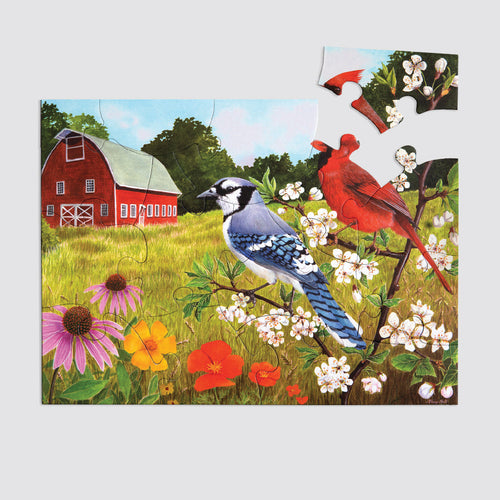
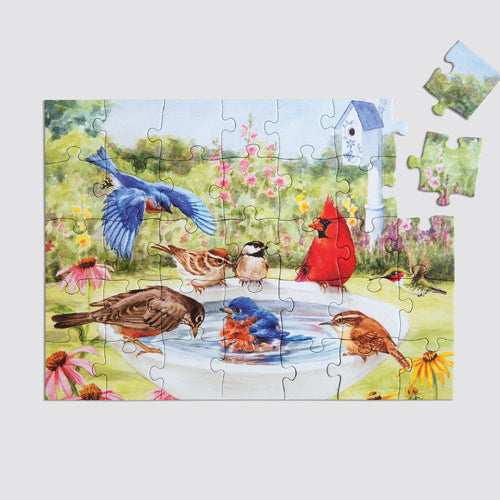
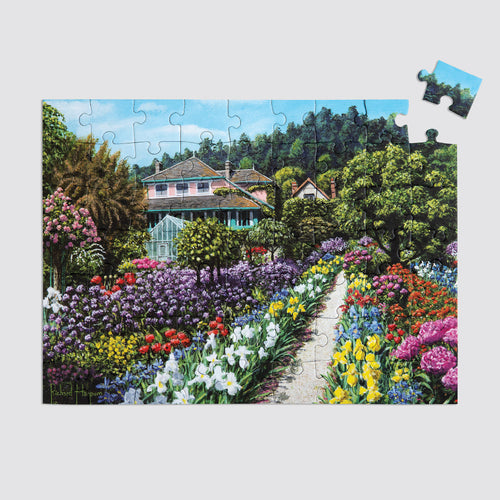
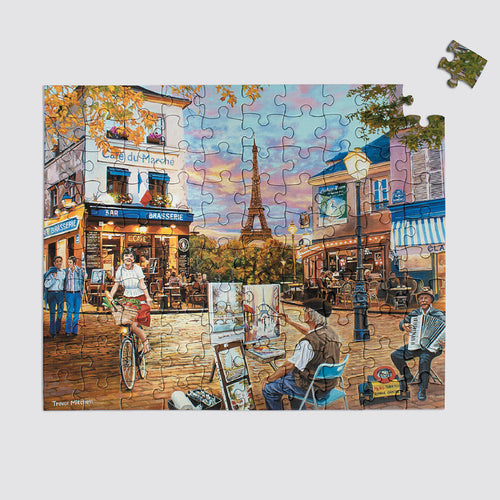
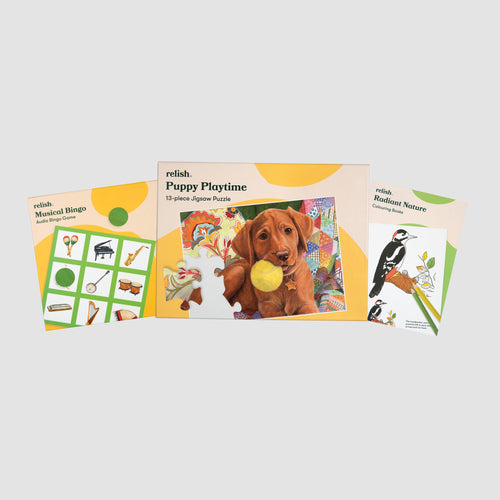
Los rompecabezas especialmente diseñados de Relish son adecuados para personas en las etapas temprana a intermedia de la demencia, con un número de piezas que van desde 13 piezas (etapas intermedias), 35 piezas (etapas temprana a intermedia) y 63 o 100 piezas (etapa temprana). Todos cuentan con temas familiares de alto contraste y piezas de 45 mm de ancho en la gama de 13 piezas.
Mejores características
-
El tema tiende a provocar conversaciones y recuerdos.
-
Las piezas son lo suficientemente grandes como para manejarlas cómodamente para personas a las que les resultan más difíciles las tareas motoras finas.
-
Funciona bien de forma independiente o como actividad compartida entre la persona y un cuidador o familiar.
-
El formato de 13 piezas brinda una verdadera sensación de finalización sin tomar demasiado tiempo ni volverse frustrante.
Ideal para: etapas temprana a intermedia
-
Personas en las etapas temprana a intermedia de la demencia que conservan el interés en tareas estructuradas y resolución de problemas.
-
Funciona particularmente bien para personas a quienes les encantaban los rompecabezas antes en la vida, pero que habían renunciado debido a la frustración con los rompecabezas estándar. El menor número de piezas recupera ese placer.
-
Tener dos o tres números de piezas diferentes a mano es adecuado para personas cuya capacidad varía día a día.
-
También funciona bien en residencias de ancianos como actividad grupal, particularmente cuando los cuidadores participan en lugar de observar.
Vale la pena saberlo
-
Una característica de diseño frecuentemente elogiada: puede armar el rompecabezas directamente dentro de la caja mientras la imagen completa de la tapa sirve como referencia. No se necesita una mesa separada.
-
El número de piezas es una guía práctica, no una regla rígida. Alguien en la etapa temprana aún puede disfrutar de un rompecabezas de 13 piezas; alguien en la etapa intermedia puede estar listo para 35 piezas.
-
A medida que la condición progresa hacia la etapa intermedia a tardía, el laberinto de canicas de pista o las actividades basadas en la estimulación serán una mejor opción.
Precio: £17.99 IVA incluido
Gibsons Piecing Together

La colección Gibsons Piecing Together es una alternativa independiente muy valorada a Relish en el mercado de rompecabezas para demencia del Reino Unido. La gama abarca de 12 a 40 piezas XXL, desarrolladas con la Dra. Zoe Wyrko, geriatra consultora y especialista en el cuidado de adultos mayores.
La investigación y el desarrollo incluyeron visitas a residencias de ancianos y centros de Age UK. Los rompecabezas se fabrican en el Reino Unido y Europa con cartón 100% reciclado por una empresa con certificación B Corp.
Cada rompecabezas incluye una impresión de referencia a tamaño completo en la caja, la misma característica útil que Relish. Las imágenes se basan en temas nostálgicos de mediados del siglo XX (transporte, escenas de jardines, perros y paisajes rurales) elegidos para evocar recuerdos y conversaciones.
Mejores características
-
Desarrollado con una geriatra consultora y probado en residencias de ancianos y centros de Age UK.
-
Impresión de referencia a tamaño completo incluida en la caja, lo que permite ensamblar el rompecabezas con la imagen como guía.
-
Fabricado en el Reino Unido y Europa con cartón 100% reciclado; certificado B Corp.
-
La gama de tamaños de piezas se adapta a diferentes habilidades dentro de la etapa temprana a intermedia.
Ideal para: etapas temprana a intermedia
-
Personas que buscan una opción de rompecabezas de menor costo con sólidas credenciales independientes: certificado B Corp, desarrollado por geriatra y fabricado con cartón 100% reciclado.
-
Personas que responden mejor a las imágenes nostálgicas de mediados del siglo XX que a las escenas campestres y de la naturaleza de la gama Relish.
-
Residencias de ancianos que desean una mayor variedad de temas de imágenes en un grupo sin duplicar los diseños de Relish.
Vale la pena saberlo
-
Gibsons no utiliza etiquetas de etapa de demencia en el embalaje. No existe un equivalente de las designaciones explícitas de Relish de etapa intermedia / temprana a intermedia / temprana. Los cuidadores deben juzgar el número de piezas por sí mismos en lugar de depender de una guía de etapa.
-
Los temas de las imágenes se inclinan hacia la nostalgia de mediados del siglo XX, lo que es adecuado para algunas personas, pero puede parecer menos relevante para las personas nacidas después de la década de 1960.
Precio: Desde £12.99
Los mejores juguetes para la demencia en etapas intermedias
Las actividades autodirigidas funcionan mejor en la etapa intermedia de la demencia: no se requiere técnica, no hay decisiones que tomar, no hay forma de equivocarse. El papel del cuidador pasa de la instrucción a la compañía.
En esta etapa, la cognición está cambiando, pero las habilidades motoras finas permanecen en gran parte intactas. La persona puede tener dificultades con las reglas, las instrucciones o las tareas de varios pasos.
Aquapaint

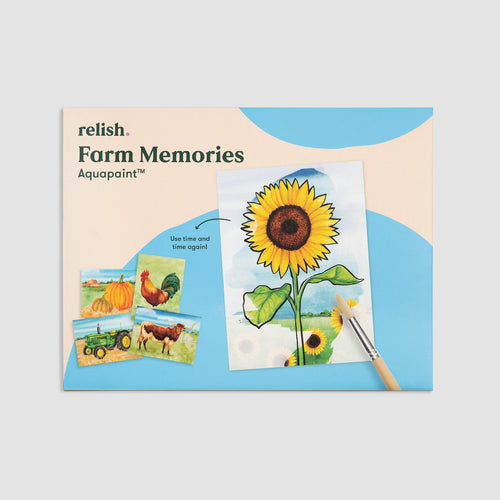
Los sets Aquapaint de Relish son hojas de arte reutilizables que revelan una imagen preimpresa cuando se cepillan con agua corriente. No se necesitan pinturas, no hay desorden, no se requiere habilidad artística: la imagen aparece por sí sola. Cada paquete contiene cinco hojas, cada una reutilizable después de secarse.
Cada hoja vuelve a desvanecerse a blanco en unos 15 a 20 minutos, reiniciándose para otra sesión. Relish ofrece múltiples temas, incluyendo escenas de jardín, vida marina y vehículos clásicos, lo que permite a los cuidadores elegir un tema relacionado con los intereses de la persona.Mejores características
-
Genuinamente autodirigido: pasar agua sobre la hoja da vida gradualmente a una imagen.
-
No se necesita instrucción más allá de una breve demostración.
-
El embalaje no menciona la demencia ni la pérdida de memoria.
Ideal para: etapa intermedia
-
Personas en las etapas intermedias de la demencia que conservan suficiente control motor fino para sostener un pincel.
-
Funciona bien en sesiones grupales en residencias, donde se pueden colocar varias hojas a la vez.
-
La actividad con frecuencia provoca reminiscencias. Los cuidadores informan que inicia conversaciones sobre intereses pasados en el arte o la jardinería, particularmente cuando se eligen temas familiares.
-
Funciona bien como actividad intergeneracional, con nietos y la persona completando hojas juntos.
Vale la pena saberlo
-
No se incluye pincel, que es la queja más común entre los compradores. Presupueste un pincel adecuado por separado; Relish recomienda uno con cerdas de aproximadamente 1 cm y un mango de 1,5 cm para un agarre más fácil.
Precio: 19,99 £ con IVA incluido por paquete
Juguetes para la Demencia en Etapas Media y Avanzada
En la etapa media a avanzada, las actividades estructuradas con reglas u objetivos se vuelven más difíciles de seguir. Las actividades deben funcionar a través del movimiento y la sensación en lugar de la cognición. Ambos productos de esta sección requieren participación física, pero sin instrucciones ni estado de finalización: no hay una respuesta correcta, no hay fracaso y no hay necesidad de seguir pasos.
Laberinto de canicas Track

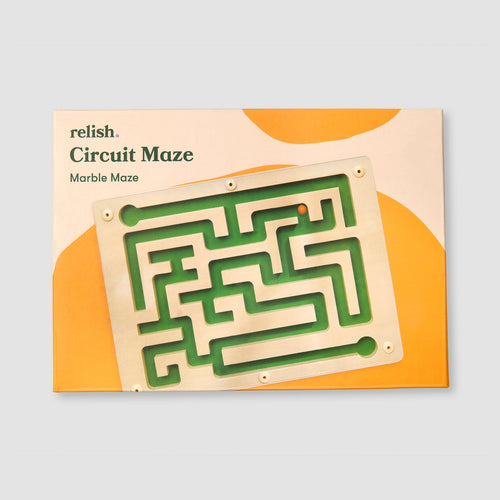
El Laberinto de canicas Track es un juego de laberinto de madera de mano de Relish, diseñado para personas en la etapa media a avanzada de la demencia. El objetivo es guiar una canica alrededor de la pista inclinando el tablero con ambas manos.
El laberinto ofrece un desafío contenido y a ritmo propio. No hay presión de tiempo ni elemento competitivo: el enfoque está en el movimiento y la satisfacción de guiar la canica, en lugar de completar un recorrido de principio a fin. Las personas a las que les resultan confusos los juegos basados en reglas lo encontrarán sencillo.
Mejores características
-
Desafía la coordinación y el control manual, trabajando ambas manos a la vez.
-
La canica se encuentra detrás de una pantalla fija de plexiglás transparente y no se puede caer.
-
El alto contraste de color ayuda a las personas con deficiencias visuales; una construcción ligera facilita su sujeción y manipulación.
-
Lo suficientemente compacto como para usarlo en una mesa, en un sillón o en la sala de actividades de una residencia de ancianos.
Mejor para: etapa media a avanzada
-
Adecuado para personas que necesitan una actividad que puedan comenzar y dejar a lo largo del día, en lugar de algo que requiera una atención sostenida.
-
Funciona bien como actividad individual o con un cuidador que se une, guiando suavemente sin tomar el control.
A tener en cuenta
-
Requiere coordinación física para inclinar y dirigir; en la etapa avanzada, las opciones sensoriales más simples serán una mejor opción.
-
Relish también fabrica un Laberinto de canicas Circuit, diseñado para la etapa temprana a media; consulte el sitio de Relish para conocer el estado actual del stock antes de comprar.
Precio: 22,99 £ con IVA incluido
Giro táctil

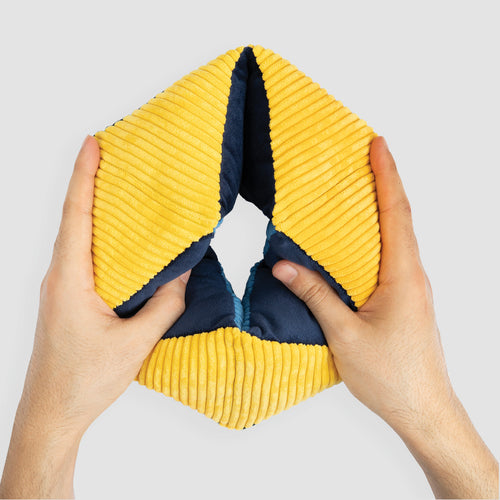
El Giro Táctil es un juguete sensorial de Relish suave y segmentado, recomendado para personas en las etapas media y avanzada de la demencia.
A diferencia de las herramientas de madera para la inquietud, el Giro Táctil utiliza un material suave y flexible con texturas y colores contrastantes en sus segmentos. Al cogerlo, se invita a una exploración inmediata: voltearlo, apretarlo o doblarlo en cualquier dirección. No hay una forma correcta o incorrecta de usarlo, lo cual es importante en las etapas media y avanzada cuando seguir instrucciones se vuelve más difícil.
Mejores características
-
Superficie suave y multitextura (secciones acanaladas y de terciopelo) que invita a la manipulación sin ninguna instrucción.
-
No se necesita configuración ni demostración; la mayoría de las personas lo cogen y empiezan a usarlo de forma independiente.
-
Lavable a máquina en ciclo delicado a 30° (se recomienda lavar a mano para uso regular), lo que lo hace práctico para usar en residencias de ancianos.
-
El embalaje no menciona la pérdida de memoria, el envejecimiento o la demencia, lo que lo convierte en una opción de regalo considerada.
Mejor para: etapas media a avanzada
-
Personas en las etapas media y avanzada de la demencia que experimentan manos inquietas o agitación general.
-
Funciona bien junto con la conversación o durante momentos más tranquilos.
-
También es práctico para la etapa avanzada, cuando los objetos más simples y suaves son más fáciles de usar que los juegos estructurados.
A tener en cuenta
-
Un elemento sensorial, no un juego. No hay desafío, puntuación o finalización.
-
No es adecuado para todos; algunas personas no muestran interés. Una demostración suave ayuda, pero no lo fuerce.
-
Para personas en etapas anteriores que aún buscan estimulación cognitiva, un rompecabezas o un laberinto de canicas proporcionarán más estímulo.
-
Actualmente solo viene en una combinación de colores.
Precio: 24,98 £ con IVA incluido
Los mejores juguetes para la demencia en etapa avanzada
Durante las últimas etapas, la prioridad pasa del compromiso a la comodidad y la ocupación. Las manos inquietas necesitan algo que hacer; una mente agitada necesita algo que la calme. Las tres opciones de esta sección funcionan a través del movimiento repetitivo y el tacto, sin instrucciones, sin estados de finalización y sin modo de fallo.
Kit de herramientas Fidget Widget

El Kit de herramientas Fidget Widget es un conjunto de cinco herramientas de madera para la inquietud desarrollado en colaboración con la Sociedad de Alzheimer y la Universidad de Central Lancashire, recomendado para las etapas media a avanzada y avanzada de la demencia.
Cada dispositivo del kit tiene un movimiento distinto: girar, deslizar, rodar, voltear y rotar. La variedad permite a la persona encontrar la herramienta que mejor se adapte a sus necesidades. Los cinco son de madera lisa con un peso cómodo, diseñados para un uso diario repetido en un entorno doméstico o de cuidado.
Mejores características
-
Ocho años de investigación y desarrollo, llevados a cabo con personas que viven con demencia, respaldan el kit.
-
Formato de desplegar y extender: coloque los dispositivos en una mesa, deje que la persona elija.
-
El movimiento de cada dispositivo es genuinamente diferente de los demás, lo que reduce la monotonía en sesiones repetidas.
-
Relish lo construyó para satisfacer una necesidad específica y desatendida: personas con comportamientos de inquietud en las últimas etapas de la demencia.
Mejor para: etapas media a avanzada
-
Personas en las etapas media a avanzada y avanzada que se inquietan, se agarran la ropa o les resulta difícil calmarse.
-
Funciona bien para sesiones individuales y en grupos pequeños en residencias de ancianos.
-
Adecuado para cuidadores que apoyan a alguien en casa que necesita una actividad práctica y más tranquila durante el día.
-
El diseño de madera es adecuado para personas que encuentran menos atractivos los artículos blandos para la inquietud.
A tener en cuenta
-
El precio se menciona con frecuencia en las comunidades de cuidadores. Vale la pena intentar comprar un paquete doble antes de comprometerse con el kit completo.
-
Los dispositivos individuales Spin y Turn están disponibles por separado en la tienda del Reino Unido hasta agotar existencias.
-
El kit fue probado en hogares y entornos de cuidado reales antes de salir a la venta, no solo en un laboratorio. Los resultados confirmaron que funciona en una variedad de entornos y situaciones de cuidado.
Precio: 69,98 £ con IVA incluido
Manguitos Twiddle

Los manguitos Twiddle son manguitos de mano tejidos o de tela con una variedad de accesorios táctiles: botones, cremalleras, cintas, cuentas y parches suaves. Mantienen las manos calientes y ocupadas al mismo tiempo. A diferencia de las herramientas de madera para la inquietud, se usan en lugar de sostenerse, lo que los hace accesibles para personas con agarre limitado o que simplemente prefieren materiales más suaves.
Mejor para: etapas media a avanzada
-
Personas en las etapas media a avanzada y avanzada que experimentan manos inquietas pero que encuentran poco atractivas las herramientas de madera o rígidas para la inquietud.
-
Personas a las que no les gustaron el Fidget Widget o el Tactile Turn en la prueba: el formato suave y de tela a menudo se adapta a aquellos que no respondieron a materiales más duros.
-
Residentes de residencias de ancianos que pasan largos períodos en una silla y se benefician del elemento de calentamiento de manos, así como de la estimulación sensorial.
A tener en cuenta
-
No hay una única marca dominante en el Reino Unido. Disponibles en la tienda sensorial de la Sociedad de Alzheimer, AlzProducts y vendedores artesanales en Etsy. El precio y la calidad varían.
-
Algunos diseños incluyen piezas pequeñas sueltas, como botones, que podrían representar un riesgo de asfixia para personas en etapa muy avanzada. Revise el diseño antes de comprar.
-
Hay patrones de tejido y ganchillo gratuitos ampliamente disponibles en línea (busque Ravelry o Knit for Peace) si un miembro de la familia o voluntario desea hacer uno.
Precio: Desde 12 £
Peluche y Compañeros de Confort para Personas con Demencia
Los juguetes blandos y los compañeros de consuelo son una categoría distinta que se vuelve más relevante en las etapas media a avanzada y avanzada de la demencia. En estas etapas, el peso relajante y la textura familiar de un juguete blando pueden proporcionar un consuelo genuino y reducir la agitación, particularmente durante momentos de angustia o períodos de confusión.
Relish no almacena este tipo de producto. Para familias y cuidadores del Reino Unido, la tienda sensorial de la Sociedad de Alzheimer ofrece compañeros de confort, incluidos gatos y perros robóticos, y es un punto de partida recomendado. La gama de estimulación sensorial de AlzProducts también ofrece artículos en esta categoría.
Se ha demostrado que las mascotas de compañía robóticas reducen la agitación en personas con demencia en múltiples ensayos controlados, aunque no todas las personas que viven con demencia responderán a ellas de la misma manera.
La historia personal importa: alguien a quien no le gustaban los animales, o a quien el movimiento robótico le resulta inquietante, es poco probable que se beneficie. Un juguete de peluche conectado a un tipo familiar de animal u objeto puede ser un punto de partida más suave que una mascota robótica.
Preguntas frecuentes
¿Puede una persona con demencia usar estos juguetes de forma independiente?
Varios productos en esta guía funcionan de forma independiente. El Tactile Turn, Aquapaint y los manguitos twiddle no requieren instrucciones ni guía: la mayoría de las personas los cogen y empiezan a usarlos de forma independiente.
El kit de herramientas Fidget Widget funciona mejor cuando un cuidador coloca los dispositivos en una mesa primero, pero la persona elige y usa cada dispositivo a su manera. En las últimas etapas, una breve demostración suele ser suficiente.
¿Qué es un buen regalo para una persona con demencia?
Los mejores regalos para personas con demencia son prácticos, sensoriales y se ajustan a la etapa actual de la persona. En las etapas temprana a media, los rompecabezas y las actividades creativas como Aquapaint son opciones bien pensadas.
En las etapas media a avanzada y avanzada, los juguetes para la inquietud y los artículos de confort sensorial suelen ser más apropiados. Las etiquetas de etapa en los productos Relish facilitan la elección.
¿Existen juguetes diseñados específicamente para la demencia en etapa avanzada?
Existe una buena variedad de juguetes diseñados para las etapas avanzadas de la demencia. El kit de herramientas Fidget Widget, el Tactile Turn y los manguitos Twiddle son adecuados para las etapas media a avanzada y avanzada.
Ocupan las manos y ayudan a calmar las mentes inquietas en lugar de desafiar la cognición, lo que los hace apropiados cuando los juegos y rompecabezas ya no son accesibles. La colección de juguetes sensoriales y para la inquietud de Relish está diseñada para las últimas etapas de la demencia.
El juguete adecuado para la demencia en el momento adecuado
Elegir un juguete para alguien con demencia funciona mejor cuando la decisión comienza con la persona en lugar del producto. Conocer su etapa proporciona un marco práctico, pero la personalidad, los intereses pasados y lo que encuentran reconfortante de cada persona deben influir en su elección.
Los productos de esta guía abarcan desde la etapa temprana hasta la tardía, con una variedad de temas para elegir. Un antiguo jardinero puede optar por un set de Aquapaint con temática de naturaleza; alguien que trabajaba con las manos puede responder inmediatamente a una herramienta para la inquietud.
Para ver una amplia gama de juguetes para personas con demencia, clasificados por etapa y tipo, explore todos los juguetes para demencia de Relish.


